An Initial Public Offering (IPO) is the process through which a private company offers its shares to the public for the first time to raise equity capital. This step transforms the business from a privately owned entity into a publicly listed company, allowing its stock to be traded on a recognized exchange such as NSE or BSE.
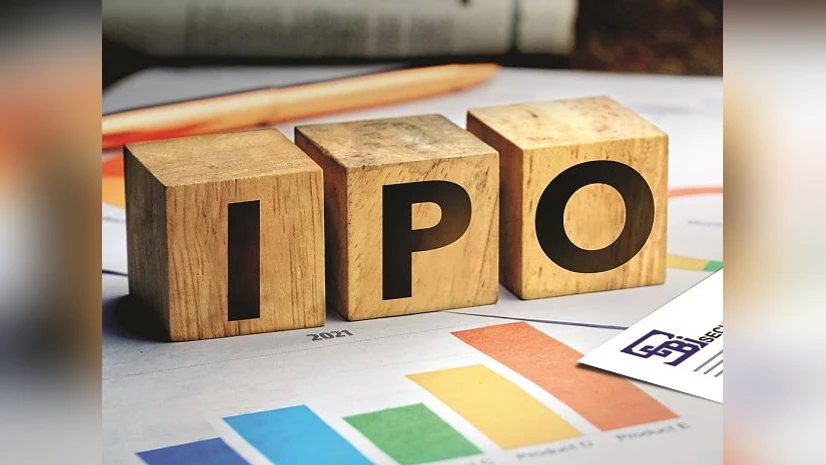
How an IPO Works
When a company decides to go public, it issues new shares that investors can purchase. The company typically uses this capital to expand operations, pay off debts, or fund new projects.
There are two common types of IPOs:
- Fixed Price IPO: Shares are sold at a pre-determined price that investors know before the issue opens.
- Book Building IPO: The company provides a price range (known as a band), and investors can bid within that range. The final price is then determined based on demand.
After the IPO, the company’s shares are listed on a stock exchange, and investors can freely buy or sell them in the open market.
Why Companies Launch IPOs
An IPO helps a company raise funds to grow faster, expand into new markets, or invest in innovation. It also enhances brand credibility and visibility. However, going public means greater scrutiny, regulatory compliance, and transparency requirements.
What Investors Should Know
Investing in IPOs can be rewarding but also risky. While early investors may benefit from potential stock price growth, not all IPOs perform well in the long run. Analysts recommend reviewing the company’s financials, business model, and valuation before applying.
In short, an IPO opens the door for the public to become shareholders in a company’s future — a crucial step in a firm’s growth journey and a key part of the financial ecosystem.